Introduction: The Dynamic City of Jacksonville
The City of Jacksonville is more than just a place on Florida’s map—it’s a sprawling metropolitan hub that blends southern charm, coastal beauty, and modern urban growth. Known as the largest city by land area in the United States, Jacksonville encompasses beaches, rivers, historic neighborhoods, and a thriving downtown.
Whether you’re a visitor planning a vacation, a new resident exploring neighborhoods, or an entrepreneur seeking opportunities, Jacksonville has something to offer. This comprehensive guide will cover the city’s history, culture, attractions, economy, neighborhoods, and travel tips.
For more in-depth resources and travel insights on Jacksonville and other destinations, check out Roovet’s travel hub.
1. History of the City of Jacksonville
Indigenous Roots
Long before modern development, the Jacksonville area was home to the Timucua people, who lived along the St. Johns River and Atlantic Coast.
Colonial Influences
The French established Fort Caroline in 1564, followed by Spanish settlers, marking Jacksonville as an important site in early American colonial history.
Growth and Incorporation
The city was officially incorporated in 1832 and named after Andrew Jackson, the seventh President of the United States and Florida’s first military governor.
Over time, Jacksonville became a hub for shipping, railroads, and tourism—particularly after Henry Flagler’s railroad developments in the late 19th century.
2. Geography and Size
Jacksonville covers over 840 square miles, making it the largest city by land area in the continental United States. Its geography includes:
-
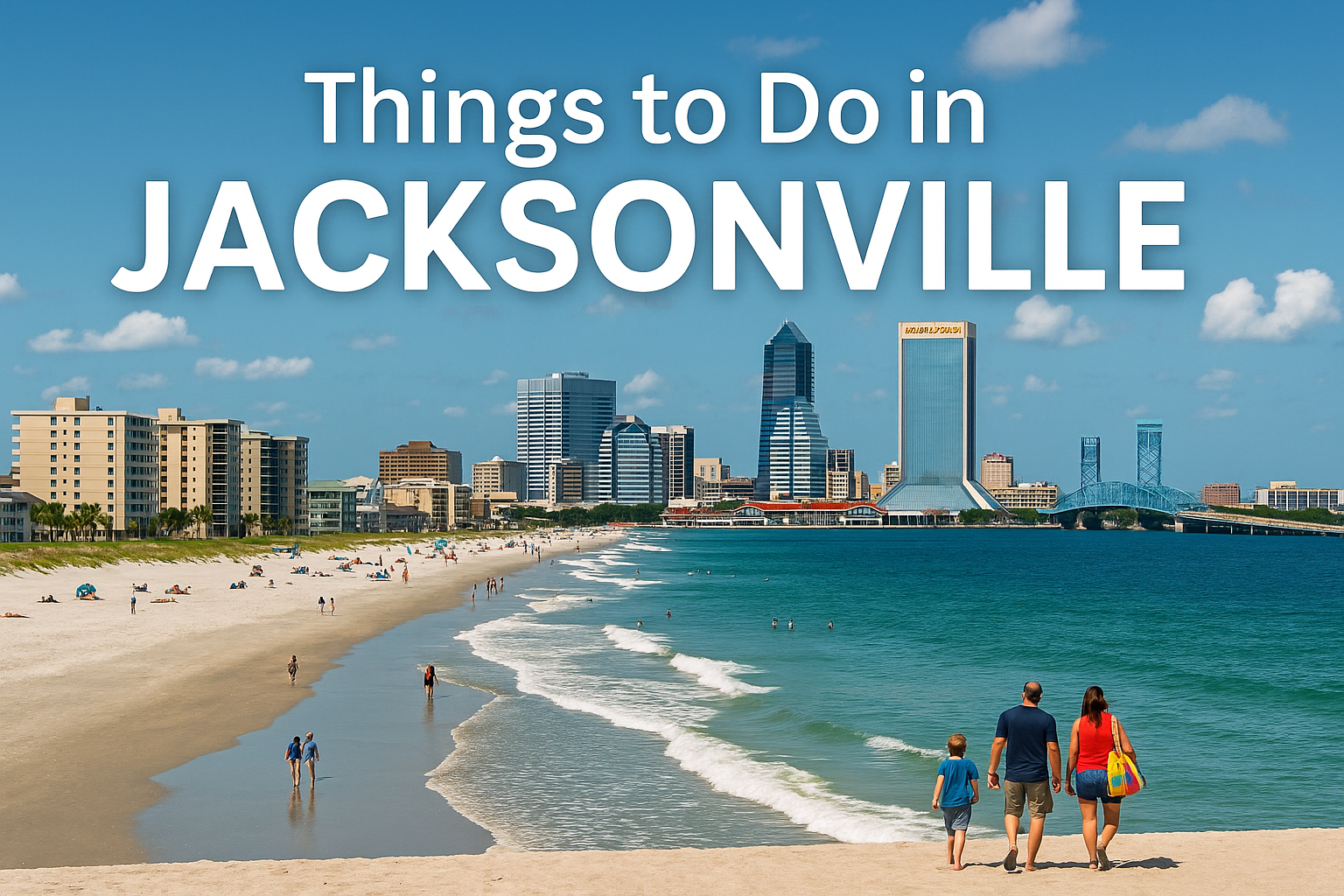
Atlantic Ocean coastline with miles of beaches
-
The St. Johns River, one of the few rivers in North America that flows north
-
Dozens of neighborhoods and districts spanning urban, suburban, and rural landscapes
This vast size makes the City of Jacksonville a unique blend of coastal and inland living.
3. Culture and Lifestyle
Jacksonville is a cultural crossroads influenced by Southern traditions, coastal heritage, and urban innovation.
Music and Arts
-
Home to The Jacksonville Symphony Orchestra
-
The historic Florida Theatre and Times-Union Center for the Performing Arts
-
Music roots in blues, jazz, and rock—famous bands like Lynyrd Skynyrd hail from Jacksonville
Sports
-
NFL’s Jacksonville Jaguars
-
Annual Florida-Georgia college football game
-
Popular golf courses, including the TPC Sawgrass in nearby Ponte Vedra
Food Scene
The City of Jacksonville offers Southern comfort food, fresh seafood, and international cuisines. Riverside, San Marco, and Downtown are hotspots for dining.
4. Attractions in the City of Jacksonville
Beaches
-
Jacksonville Beach: Popular for surfing and nightlife
-
Neptune Beach: Family-friendly atmosphere
-
Atlantic Beach: Known for charm and boutique dining
-
Huguenot Park and Little Talbot Island: Natural coastal preserves
Parks and Outdoor Spaces
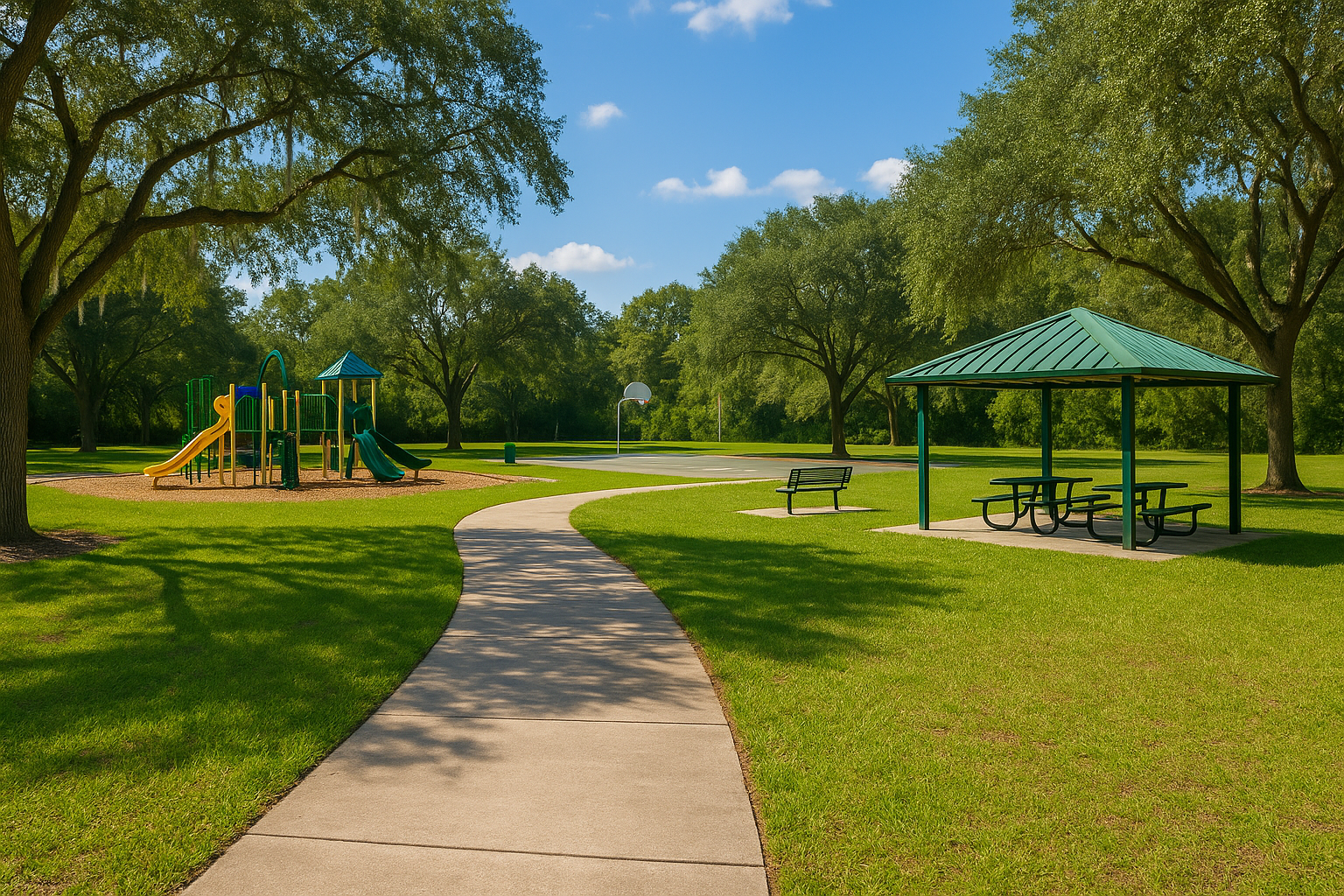
Jacksonville has the largest urban park system in the U.S., with over 80,000 acres of green space, including:
-
Hanna Park
-
Riverside Park
-
Kathryn Abbey Hanna Park
Museums and Landmarks
-
Cummer Museum of Art & Gardens
-
Museum of Science & History (MOSH)
-
Kingsley Plantation, highlighting Florida’s plantation history
5. Neighborhoods of Jacksonville
Jacksonville’s vast land area means it has many diverse neighborhoods, each with unique charm:
-
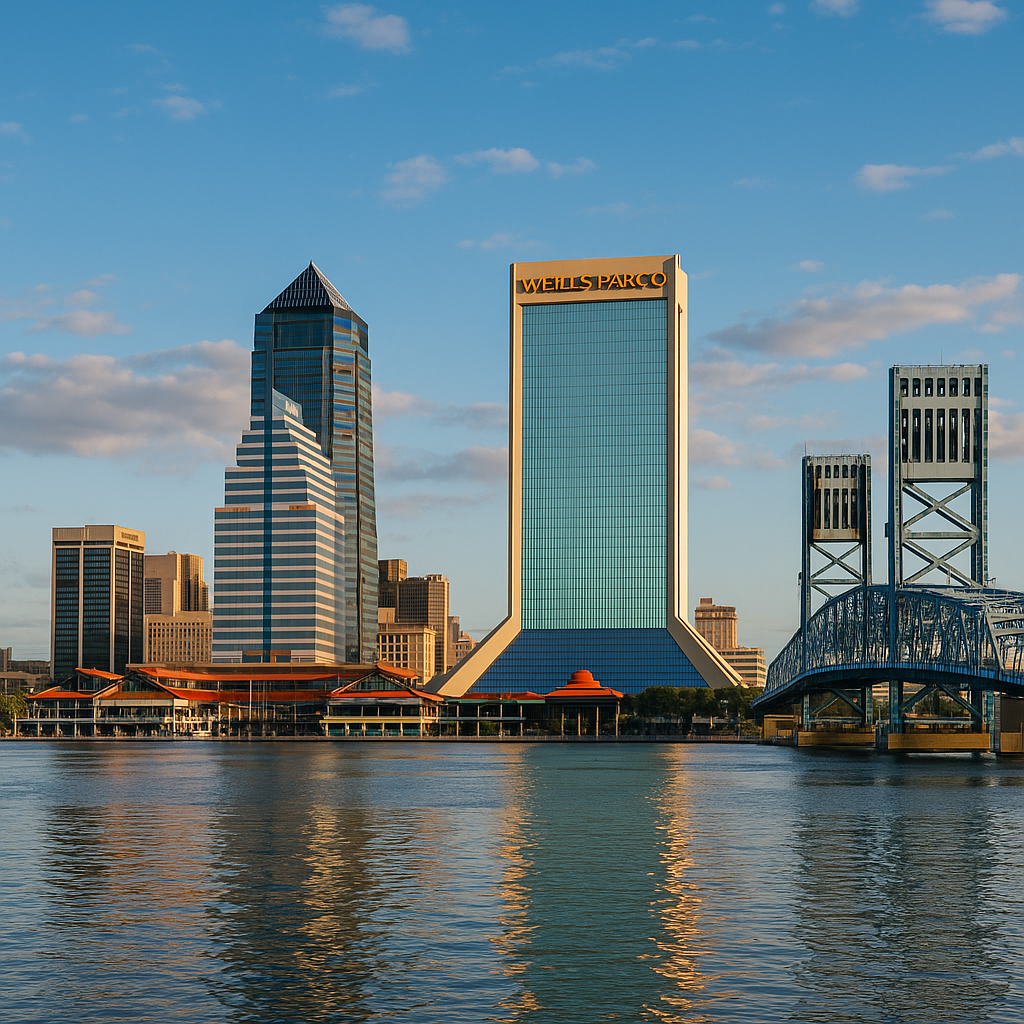
Downtown Jacksonville: Business, nightlife, and riverfront attractions
-
Riverside & Avondale: Historic architecture, artsy vibe
-
San Marco: Mediterranean-inspired design and dining
-
Springfield: Historic district with restored homes
-
Mandarin: Suburban riverside living
-
Beaches communities: Relaxed coastal lifestyle
6. Economy of Jacksonville
The City of Jacksonville has a diverse and growing economy. Key sectors include:
-
Finance: Headquarters for several banks and insurance companies
-
Healthcare: Baptist Health, Mayo Clinic, UF Health Jacksonville
-
Military: Naval Air Station Jacksonville and Mayport Naval Station
-
Logistics & Shipping: JAXPORT is one of the busiest ports in the Southeast
Jacksonville’s strategic location and infrastructure make it a major hub for commerce and trade.
7. Education and Universities
Jacksonville is home to respected institutions like:
-
University of North Florida (UNF)
-
Jacksonville University (JU)
-
Edward Waters University, Florida’s oldest historically Black university
-
Several community colleges and technical schools
8. Events and Festivals
The city hosts numerous events throughout the year, including:
-
Jacksonville Jazz Festival
-
Springing the Blues Festival
-
One Spark Festival (for entrepreneurs and creators)
-
Riverside Arts Market every Saturday
9. Transportation and Travel
-
Jacksonville International Airport (JAX) connects the city nationwide
-
I-95 and I-10 make road travel easy to other Florida cities
-
St. Johns River Ferry connects to Mayport
-
Public transit includes buses and limited rail, but most residents rely on cars
10. Living in Jacksonville
Jacksonville offers a balance of affordability and quality of life compared to other large Florida cities.
-
Cost of Living: Lower than Miami, Orlando, or Tampa
-
Housing: Mix of historic homes, suburban developments, and waterfront properties
-
Lifestyle: Outdoor recreation, arts, and family-friendly neighborhoods
Conclusion: Why Jacksonville Stands Out
The City of Jacksonville is a place where history, culture, and modern living converge. With its expansive geography, diverse neighborhoods, thriving economy, and endless recreational opportunities, Jacksonville offers something for everyone—residents, businesses, and visitors alike.
Before planning your next trip or move to Jacksonville, make sure to visit Roovet for more resources and travel guides.