Introduction: Why Huguenot Park is a Must-Visit
Located on Jacksonville’s northeastern coast, Huguenot Park is one of Florida’s most unique and beautiful recreational destinations. Known for its oceanfront camping, beach driving, and diverse wildlife habitats, this park is a beloved escape for locals and travelers alike.
Whether you’re planning to pitch a tent on the shoreline, watch migratory birds, fish in the surf, or simply relax by the ocean, Huguenot Park offers a one-of-a-kind experience that combines nature, history, and recreation.
This ultimate guide will provide you with everything you need to know about Huguenot Park, including its history, amenities, attractions, and helpful visitor tips. For more travel insights and guides across Florida, check out Roovet.
1. The History of Huguenot Park
A Memorial to the Huguenots
Huguenot Park was established to honor the French Huguenots who landed near the area in 1562 in search of religious freedom. Their settlement at Fort Caroline, located nearby, represents one of the earliest European attempts to colonize Florida.
The park, dedicated in 1967, serves not only as a recreational retreat but also as a cultural and historical memorial. Interpretive displays scattered throughout the park highlight the significance of the Huguenots and their impact on Florida’s heritage.
2. Location and Access
-
Address: 10980 Heckscher Drive, Jacksonville, FL
-
Proximity: About 20 miles northeast of downtown Jacksonville
-
Surroundings: Bordered by the Atlantic Ocean, the Fort George Inlet, and the St. Johns River
Huguenot Park’s prime location makes it a triple-waterfront destination, offering access to rivers, inlets, and the open sea. This unique geography supports a wide range of recreational activities and wildlife.
Entrance Fees (as of 2025):
-
$5 per car
-
$3 for motorcycles
-
Annual passes available for frequent visitors
3. Natural Landscapes and Ecosystems
Beaches
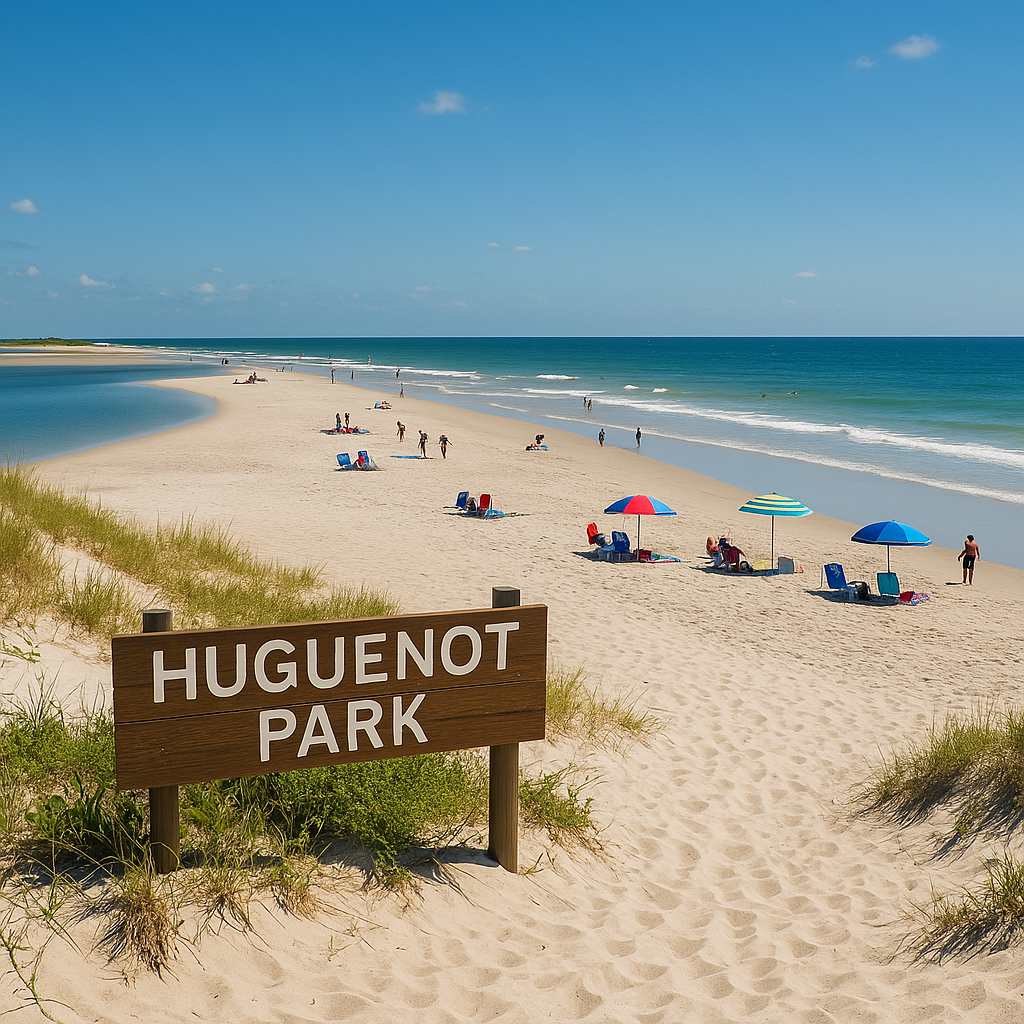
Huguenot Park is Jacksonville’s only beach where vehicles are allowed to drive directly on the sand. This makes it a favorite for families who want to tailgate by the water or anglers hauling fishing gear.
The beaches are expansive, clean, and ideal for sunbathing, swimming, and shelling. At low tide, tidal pools form, creating perfect play areas for children.
Marshlands and Tidal Flats
In addition to beaches, Huguenot Park contains salt marshes, tidal flats, and maritime forests. These ecosystems are critical habitats for fish, oysters, and crabs. They also protect the shoreline from erosion.
Birdwatching
The park is internationally recognized for birding. Over 200 species have been recorded here, including:
-
Black Skimmers
-
Royal and Caspian Terns
-
Wilson’s Plovers
-
Bald Eagles and Ospreys
Huguenot Park is part of the Great Florida Birding and Wildlife Trail and is a globally significant site for nesting shorebirds. Visitors are urged to respect roped-off nesting areas during migration and breeding seasons.
4. Recreation at Huguenot Park
Camping
Camping at Huguenot Park is one of the most unique experiences in Florida. The park offers:
-
70+ campsites (beachfront, shaded, or marsh-adjacent)
-
RV access with electric and water hookups
-
Fire rings, grills, and picnic tables
-
Restrooms and showers
Imagine falling asleep to the sound of the Atlantic waves—Huguenot Park makes it possible. Campsites are highly popular, so reservations are recommended.
Fishing and Boating
Anglers can enjoy surf fishing or casting into the St. Johns River. Common catches include:
-
Redfish
-
Trout
-
Flounder
-
Sheepshead
For boating enthusiasts, Huguenot Park’s location near inlets makes it a great launch spot for kayaks, paddleboards, or small motorboats.
Hiking and Exploring
Although the park does not feature long trails, scenic walks through the marshes and tidal flats are perfect for nature lovers. Photography enthusiasts will find endless opportunities, especially at sunrise and sunset.
Picnicking
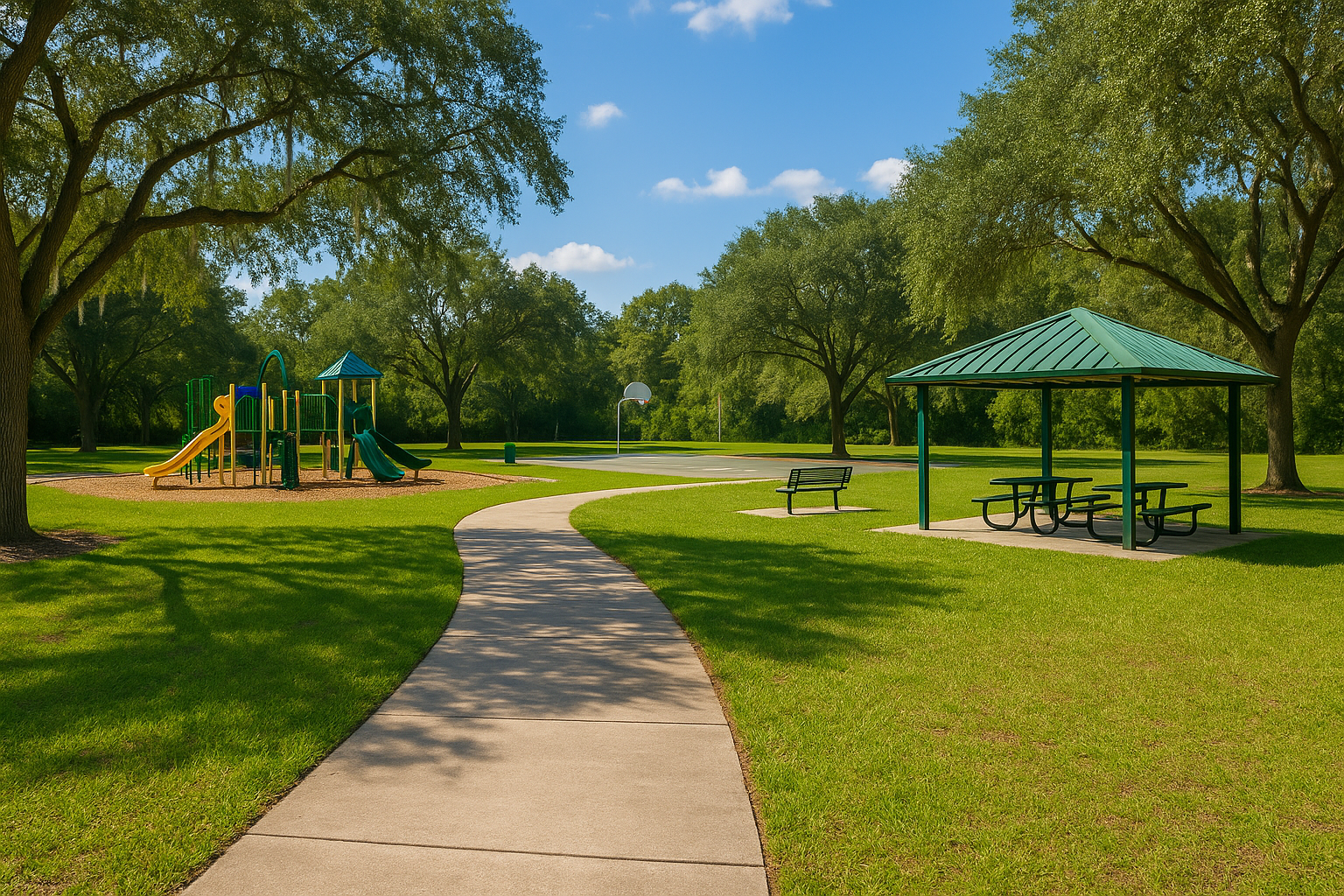
Several shelters are available for picnics and group gatherings. Equipped with grills and tables, they are perfect for birthday parties, family reunions, or casual outings.
5. Tips for Visiting Huguenot Park
-
Best Season to Visit: Spring and fall for mild temperatures and peak bird activity.
-
Beach Driving Rules: 4x4 vehicles are best; speed limits are enforced to protect beachgoers and wildlife.
-
Reservations: Campsites should be booked early, especially during holidays.
-
Wildlife Etiquette: Do not disturb nesting birds or sea turtles.
-
What to Bring: Sunscreen, bug spray, reusable water bottles, binoculars, and a camera.
6. Events and Community Programs
Huguenot Park often hosts events such as:
-
Birding tours during migration seasons
-
Beach cleanup days with local volunteers
-
Youth nature camps and educational programs
-
Photography workshops to capture the park’s landscapes and wildlife
These events foster a strong sense of community and conservation among visitors and residents.
7. Comparing Huguenot Park to Other Jacksonville Parks
While Jacksonville offers many coastal parks, Huguenot Park is unique because it combines:
-
Vehicle access to beaches
-
Oceanfront camping
-
Rich birdlife and ecosystems
-
Affordable entry fees
By contrast, nearby Little Talbot Island State Park and Big Talbot Island focus more on hiking and untouched beaches. Huguenot Park bridges recreation with accessibility, making it perfect for families.
8. Conservation and the Future of Huguenot Park
With rising sea levels and heavy tourism, Huguenot Park faces challenges that require careful stewardship. Conservation projects include:
-
Restoring dunes and protecting shorebird habitats
-
Partnering with environmental organizations for wildlife monitoring
-
Upgrading park facilities while maintaining natural balance
The future of Huguenot Park relies on visitors respecting its ecosystems and supporting ongoing preservation initiatives.
Conclusion: Why Huguenot Park Deserves a Spot on Your List
Huguenot Park isn’t just a beach—it’s an experience. It offers:
-
The thrill of driving on the sand
-
The peace of camping under the stars
-
The beauty of birdwatching and wildlife photography
-
The history of one of America’s earliest European settlements
For families, solo travelers, and nature enthusiasts, this Jacksonville gem provides something truly special.
Before you plan your trip, don’t forget to explore Roovet’s travel hub for even more guides and tips on Florida’s best destinations.