Introduction: The Beauty of Huguenot Memorial Park
Nestled in Jacksonville, Florida, Huguenot Memorial Park is a breathtaking coastal preserve that offers visitors the rare opportunity to experience sandy beaches, diverse ecosystems, and a rich cultural history all in one location. From camping under the stars and fishing along the surf to bird-watching and exploring the park’s historic roots, Huguenot Memorial Park stands as a haven for outdoor enthusiasts and history lovers alike.
This article serves as the ultimate guide to Huguenot Memorial Park, covering its history, attractions, amenities, and practical tips for your next adventure. Whether you are planning a day trip, a weekend of camping, or a family vacation, you will find everything you need to know right here.
And for those seeking more Florida travel insights, make sure to check out Roovet’s official travel guide, which offers deeper resources on attractions like Huguenot Memorial Park and beyond.
1. The History of Huguenot Memorial Park
Early French Exploration
Huguenot Memorial Park pays tribute to the French Huguenots, a Protestant group who sought religious freedom and settled briefly in Florida during the 16th century. In 1562, the French established Fort Caroline, just miles away from what is now the park. Their settlement marked the beginning of European exploration in Florida’s northeast coast, although it was short-lived due to Spanish conquest.
The park itself, dedicated in 1967, honors these early settlers while serving as a recreational and environmental preserve for future generations.
A Memorial of Heritage and Resilience
The name “Huguenot Memorial Park” is both symbolic and educational. It reminds visitors of the resilience of the Huguenots, whose search for freedom resonates with American values of independence and exploration. Interpretive signs throughout the park educate visitors about this chapter of history, blending natural beauty with cultural storytelling.
2. Location and Accessibility
Huguenot Memorial Park is located at 10980 Heckscher Drive, Jacksonville, Florida, about 20 miles from downtown Jacksonville. Its unique location on a peninsula provides access to the Atlantic Ocean, the Fort George Inlet, and the St. Johns River, making it a one-of-a-kind destination for water recreation.
-
Driving Directions: Easily accessible from Interstate 95 or 295, following signs to Heckscher Drive.
-
Proximity to Attractions: Close to Little Talbot Island, Big Talbot Island, and the Timucuan Ecological and Historic Preserve.
-
Parking and Entrance Fees: As of 2025, admission is typically $5 per car, with annual passes available.
3. Natural Beauty and Ecosystems
Beaches and Shoreline
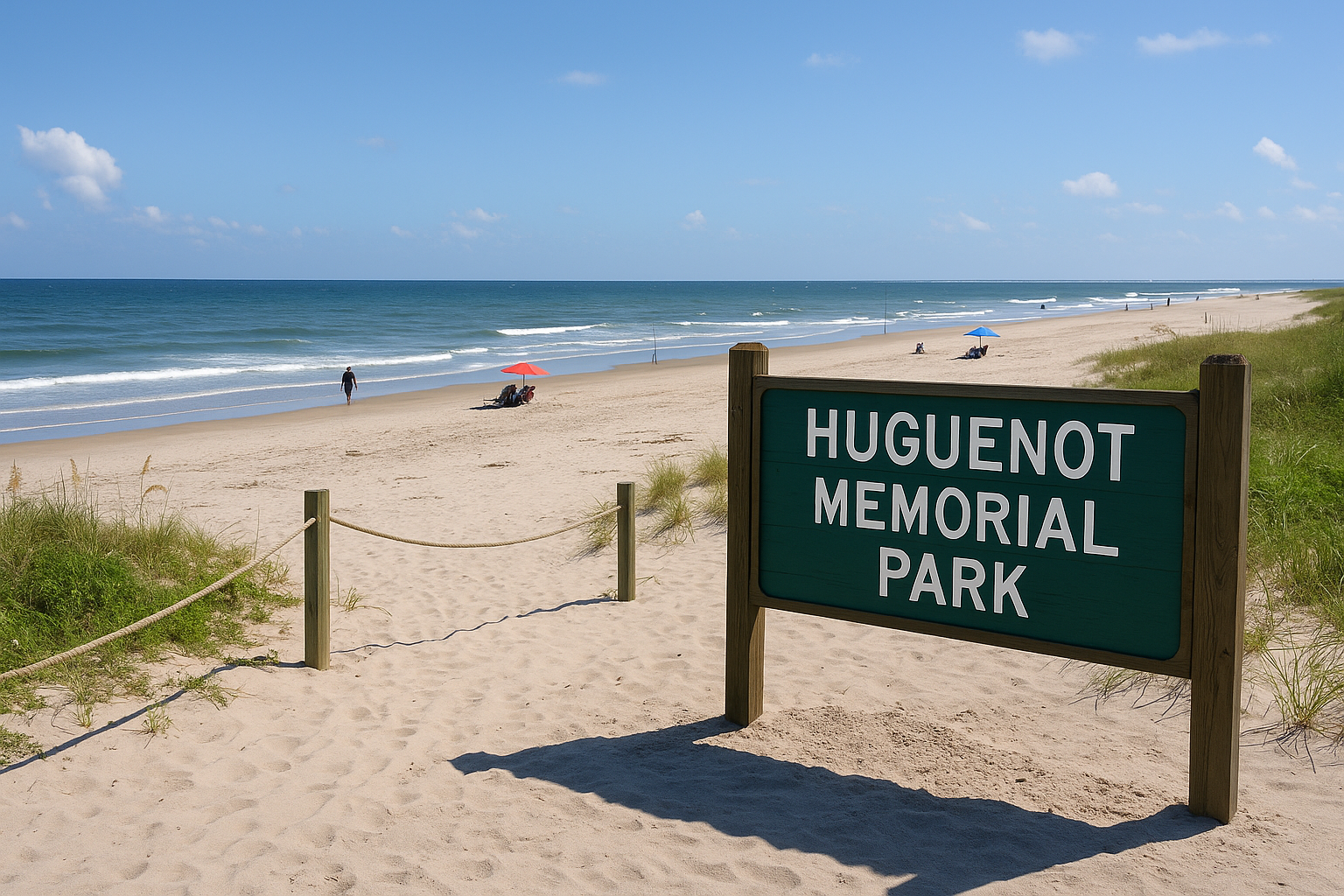
Huguenot Memorial Park is the only park in Jacksonville where you can drive your vehicle directly onto the beach. This feature is popular among locals who want to tailgate by the ocean, enjoy fishing with easy access, or set up camp without hauling gear long distances.
The park’s beaches are wide, sandy, and family-friendly. During low tide, tidal pools form, offering children safe places to play and explore marine life.
Wildlife and Birdwatching
Huguenot Memorial Park is an internationally recognized birding hotspot. It is part of the Great Florida Birding and Wildlife Trail, and more than 200 species of birds have been recorded here, including:
-
Black Skimmers
-
Royal Terns
-
Wilson’s Plovers
-
Ospreys and Bald Eagles
In fact, the park is a critical nesting site for shorebirds and sea turtles, making conservation efforts essential. Visitors are asked to respect roped-off nesting areas during the breeding season.
Ecosystems and Conservation
Beyond the beach, the park features salt marshes, tidal flats, and maritime forests. These ecosystems provide habitats for fish, crabs, oysters, and migratory species. The park partners with environmental groups to preserve these delicate systems while educating the public about sustainability.
4. Recreation and Activities
Camping at Huguenot Memorial Park
Camping is one of the park’s biggest draws. With over 70 campsites available, visitors can choose between oceanfront sites, shaded sites in the maritime forest, or sites near the tidal marsh. Amenities include:
-
Water and electric hookups
-
Picnic tables and grills
-
Restroom and shower facilities
Camping at Huguenot Memorial Park is a unique experience because you can literally fall asleep to the sound of waves crashing on the shore. Reservations are recommended, especially during holidays and weekends.
Fishing and Boating
Anglers flock to the park for its prime fishing opportunities. From surf fishing to casting in the St. Johns River, species commonly caught include:
-
Redfish
-
Flounder
-
Trout
-
Sheepshead
For boaters, the nearby ramps allow easy access to the ocean and river. Kayaking and paddleboarding are also popular.
Hiking and Picnicking
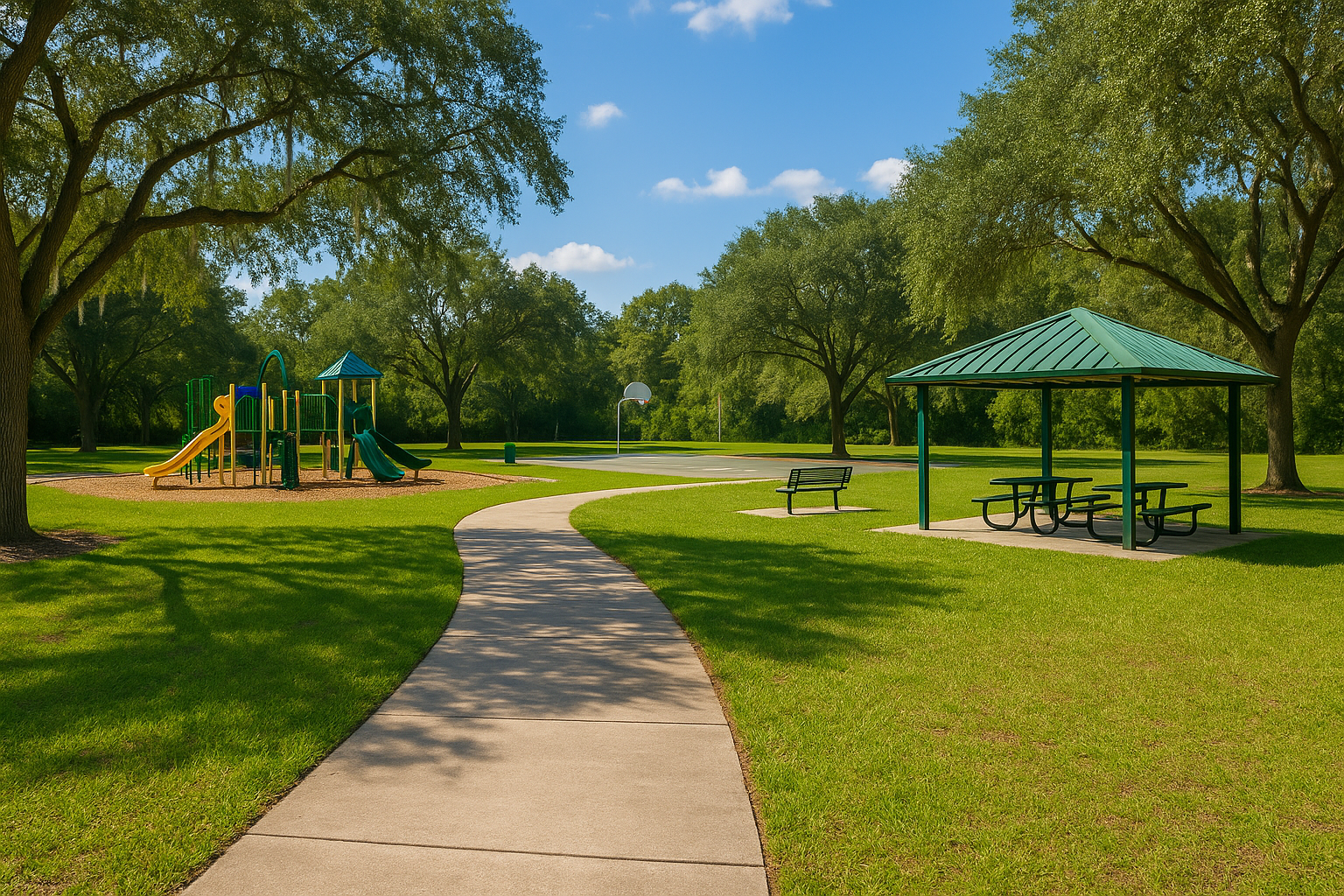
While Huguenot is not known for long hiking trails, short scenic walks provide opportunities to explore the park’s diverse habitats. Several picnic shelters, equipped with grills, are perfect for family gatherings.
Educational Programs
Park rangers host interpretive programs, guided bird walks, and ecological workshops, making Huguenot Memorial Park a family-friendly destination for learning as well as leisure.
5. Visitor Tips and Practical Information
-
Best Time to Visit: Spring and fall offer mild weather, fewer crowds, and ideal conditions for birdwatching.
-
Beach Driving Rules: Only 4x4 vehicles are recommended during high tide. Speed limits are enforced to protect wildlife and visitors.
-
Camping Reservations: Can be made online via Jacksonville’s park system or by phone.
-
Wildlife Safety: Keep a safe distance from nesting birds and turtles. Pets must be leashed.
-
Packing Essentials: Sunscreen, insect repellent, reusable water bottles, and binoculars for birdwatching.
6. Huguenot Memorial Park vs. Other Jacksonville Beaches
Unlike Jacksonville Beach or Neptune Beach, which cater more to nightlife and urban amenities, Huguenot Memorial Park emphasizes nature and recreation. Its ability to combine beach driving, camping, and wildlife conservation makes it unique not only in Jacksonville but in the entire Southeast.
Visitors often compare it with Anastasia State Park in St. Augustine or Fort Clinch State Park in Fernandina Beach, but Huguenot’s blend of accessibility, affordability, and variety of ecosystems sets it apart.
7. Community and Events
Throughout the year, Huguenot Memorial Park hosts community events such as:
-
Beach cleanups organized by local conservation groups.
-
Birding festivals tied to migration seasons.
-
Youth educational programs that teach kids about coastal ecology.
The park fosters a sense of stewardship, encouraging locals and visitors alike to protect its resources for future generations.
8. Future of Huguenot Memorial Park
With rising sea levels and increased tourism, Huguenot Memorial Park faces challenges that require careful planning. Ongoing projects include:
-
Shoreline restoration and dune reinforcement.
-
Enhanced facilities for campers and day visitors.
-
Expanded educational signage about conservation.
The park’s mission remains to balance recreation with preservation, ensuring that it remains a coastal treasure for decades to come.
Conclusion: Why You Should Visit Huguenot Memorial Park
Huguenot Memorial Park is more than just a Jacksonville beach—it’s a living classroom, a family campground, and a natural sanctuary. Whether you are seeking adventure, relaxation, or education, this park offers an unforgettable experience.
So pack your sunscreen, grab your fishing rod, and bring your sense of wonder. And before you plan your next Florida adventure, be sure to explore Roovet’s travel hub for more insights into the beauty and history of places like Huguenot Memorial Park.